



Suboxone helps many people ease withdrawal symptoms and move forward in opioid addiction treatment. But what if Suboxone isn’t working the way you expect? What if you’re concerned that your dose isn’t right?
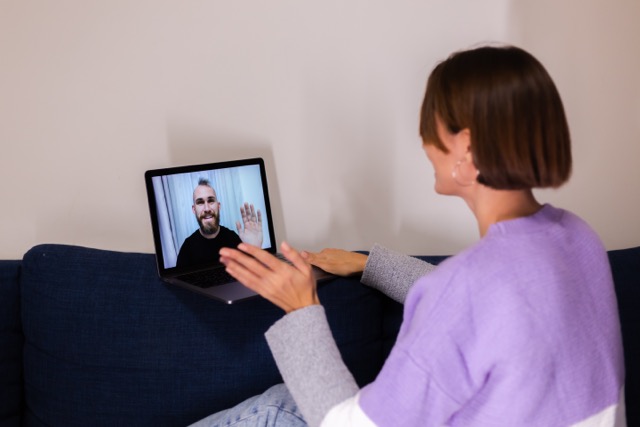
It’s understandable to have these concerns. If you establish care with ReKlame Health, we’ll be here to help you. You can reach out to your care team to discuss your concerns or symptoms anytime. Our text-based communication app Spruce is secure and HIPAA compliant. Flexible appointment scheduling is available.
Find out what to expect with Suboxone
You can find a few questions to ask your provider here, so you can get comfortable with them before you begin. Suboxone is available as a sublingual film strip, buccal (inner cheek) film strip and sublingual tablet. Each form takes a few minutes to dissolve inside your mouth. Effects will build over several hours, but you may feel relief from withdrawal symptoms in only 20 minutes to an hour. The medication’s effects can last for as long as 24 hours.
During your first day of treatment, you may begin with a low dose of medication while a treatment provider monitors you. The dose can be adjusted gradually to manage your withdrawal symptoms.
Warning signs to be aware of during Suboxone treatment
Before beginning medication-assisted treatment (MAT), you may have felt the extremes of nausea, exhaustion, restlessness and urges to use opioids. In Suboxone treatment, you may experience a significant reduction in symptoms.
However, there are still things to watch out for. These include:
-
Cravings and urges to use opioids
Suboxone is designed to fight these cravings. It contains buprenorphine, a partial opioid agonist, which binds to opioid receptors in the brain. It doesn’t produce euphoria, but when working properly, it has the effect of reducing cravings. If you’re still experiencing a desire to use opioids, this might be a sign of a Suboxone dose that is too low. Speak with your treatment provider.
-
Lingering withdrawal symptoms
Are you going through symptoms like restlessness, aching muscles or gastrointestinal upset? In Suboxone treatment, these symptoms should be controlled so that sickness doesn’t prevent you from maintaining recovery. Discuss what you’re experiencing with your provider so that they can help you manage symptoms and adjust your dosing if it’s needed.
-
Common Suboxone side effects
Suboxone may have side effects, which often fade as treatment progresses. Some of the medication’s side effects seem similar to the effects of opioid withdrawal. Symptoms include aches, insomnia, nausea and sweating. Suboxone can also cause more unique side effects, like swelling in extremities. If these issues arise for you, speak with your treatment team for expert advice. A professional may reassess dosing or provide a different MAT medication.
Rely on professional assistance
Uncomfortable symptoms can be challenging to endure. However, it’s important that you don’t try to adjust your Suboxone dose on your own without instructions from your treatment provider. They have the training and experience to make adjustments safely.
It’s especially crucial that you don’t try to ease symptoms by taking opioid pain medication. You may be tempted to take a high dose to override Suboxone’s effects, but this isn’t effective — it only puts you at risk of overdosing. The risk may be amplified by a lowered tolerance to opioids. Stay safe and connect with your MAT provider. You can message your ReKlame team anytime or schedule a virtual appointment.
Suboxone can sometimes cause severe side effects
If you feel dizzy, faint or confused, seek help right away. You may feel sleepy, uncoordinated or unable to think properly. Other severe side effects include blurry vision, difficulty speaking and shrinking pupils. You may lose color in your lips, skin or fingernail beds.
In some cases, Suboxone can cause dangerous, potentially life-threatening breathing problems. Seek emergency medical care immediately if you have irregular, slow, rapid or shallow breathing. Call 911 or go to a hospital emergency department as quickly as you can.
Connect with ReKlame
Whether you’re already going through treatment with us or thinking of beginning treatment, we’re here for you. You can meet one of our care providers for a virtual intake appointment within 48 hours. You’ll be connected with a treatment team: a duo of a psychiatric nurse practitioner and a care navigator, who will design a treatment plan for you.
We can also treat other conditions in addition to opioid use. Our team has expertise with conditions including ADHD, anxiety disorders and depressive disorders. We offer psychiatric medication management for consolidated, holistic care.
Give our professionals a call today for more information, check your eligibility for free online or book an initial appointment online.